Publications
2026
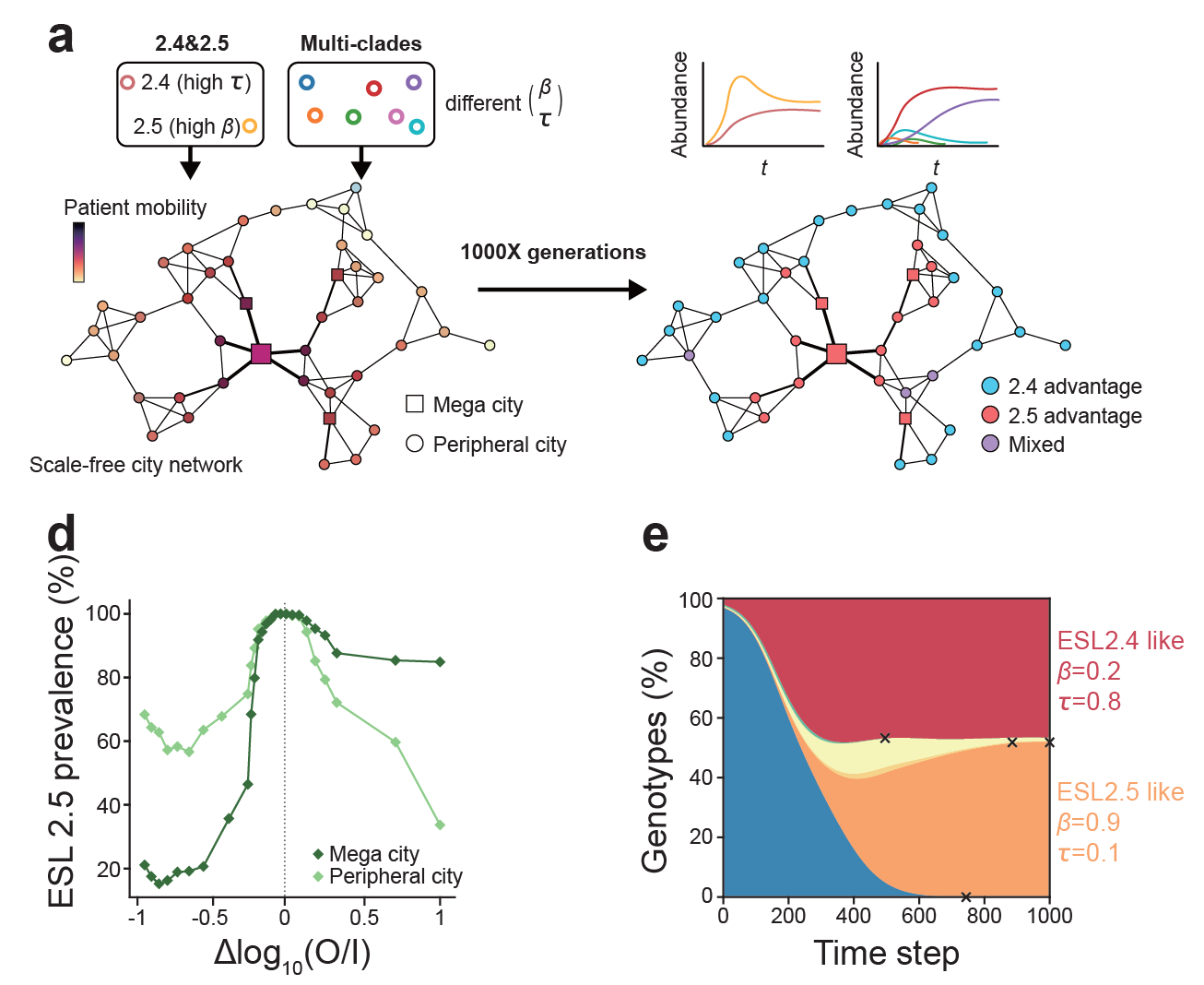
Healthcare Infrastructure Shapes Evolutionary Trade-offs and Geographic Dissemination of Multidrug-Resistant Acinetobacter baumannii
Antimicrobial-resistant pathogens pose an existential threat to modern medicine, yet the evolutionary forces driving their adaptation in healthcare systems remain largely unexplored. We revealed that hospital network architecture functions as a primary selective pressure, driving pathogen evolution through infrastructure-dependent virulence-transmission trade-offs. Phylogenomic analysis of 5,023 Acinetobacter baumannii isolates across China's …
[Read more]
2025
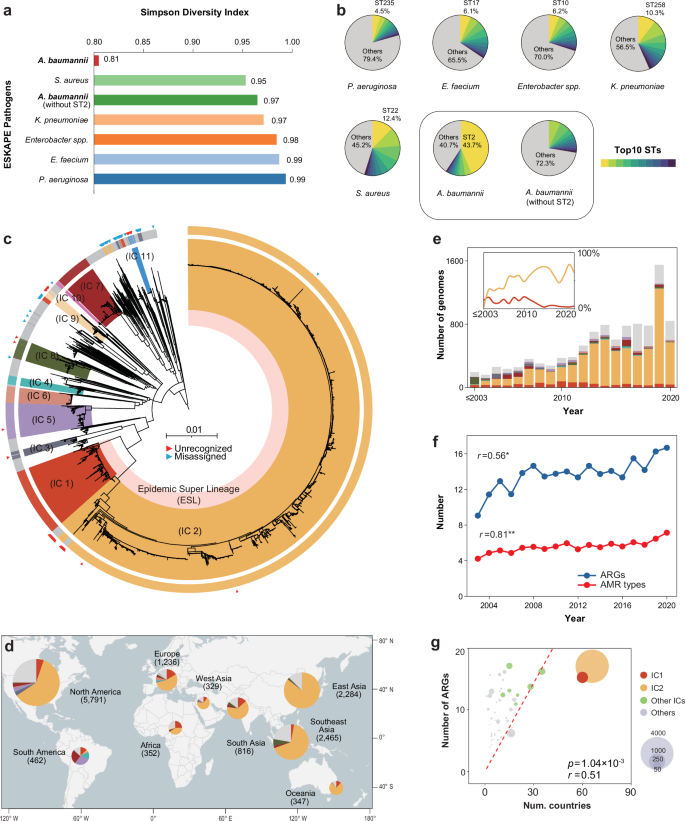
Emergence and global spread of asss dominant multidrug-resistant clade within Acinetobacter baumannii
The proliferation of multi-drug resistant (MDR) bacteria is driven by the global spread of epidemic lineages that accumulate antimicrobial resistance genes (ARGs). Acinetobacter baumannii, a leading cause of nosocomial infections, displays resistance to most frontline antimicrobials and represents a significant challenge to public health. In this study, we conduct a comprehensive genomic analysis of over 15,000 A. baumannii genomes to …
[Read more]

PathoBase: an integrated One Health approach for zoonotic pathogen genomics analysis
The rapid identification and genomic analysis of zoonotic pathogens are essential for effective disease surveillance and outbreak response. PathoBase, an advanced computational platform developed for researchers, addresses regional challenges in pathogen genomics by offering a comprehensive, efficient, and freely accessible tool for genomic data analysis building on core-genome multilocus sequence typing. The platform currently hosts 132 …
[Read more]
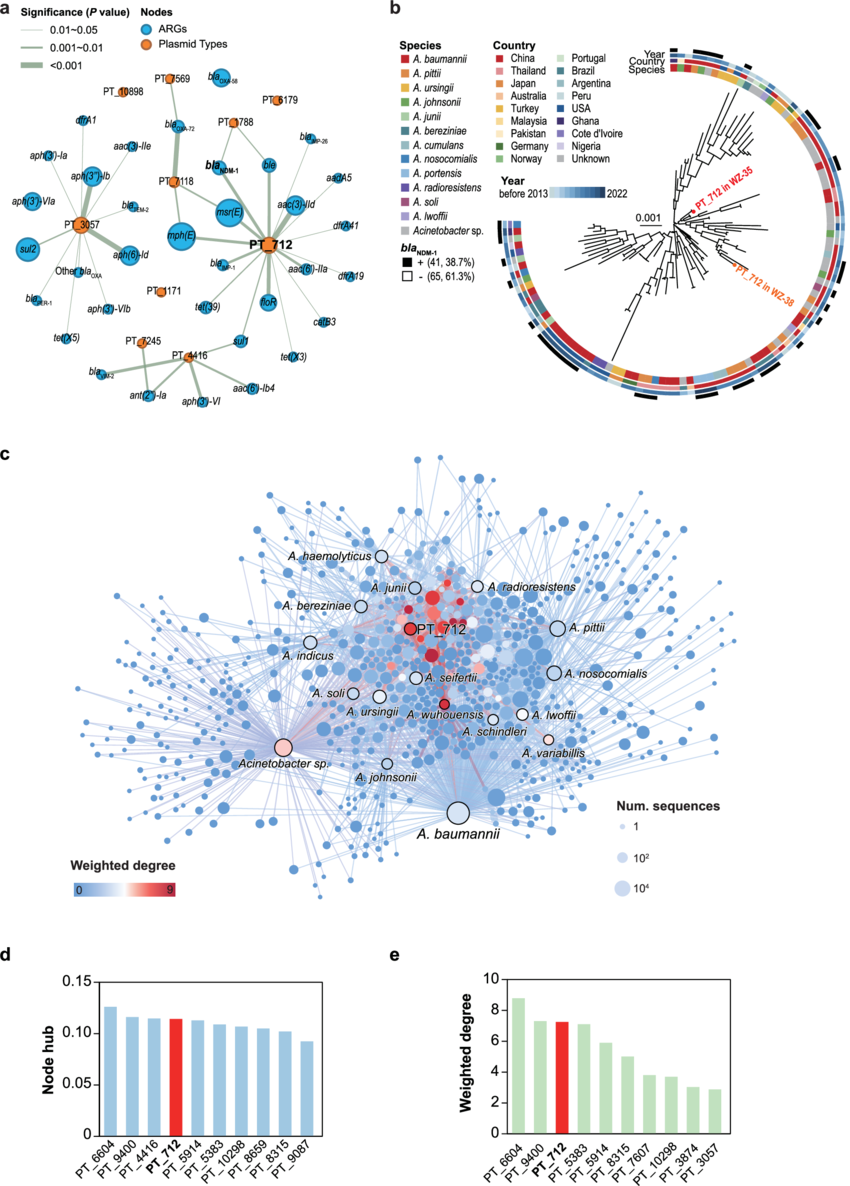
Genetic landscape and evolution of Acinetobacter pittii, an underestimated emerging nosocomial pathogen
As a member of Acinetobacter calcoaceticus-baumannii complex, Acinetobacter pittii has been an emerging concern in nosocomial infection due to its increasing prevalence and multidrug resistance (MDR). However, its population structure remains broadly unknown, hampering efficient tracing of its transmission and evolution. In this study, we developed a distributed core genome multilocus sequence typing (dcgMLST) for A. pittii based on 750 …
[Read more]
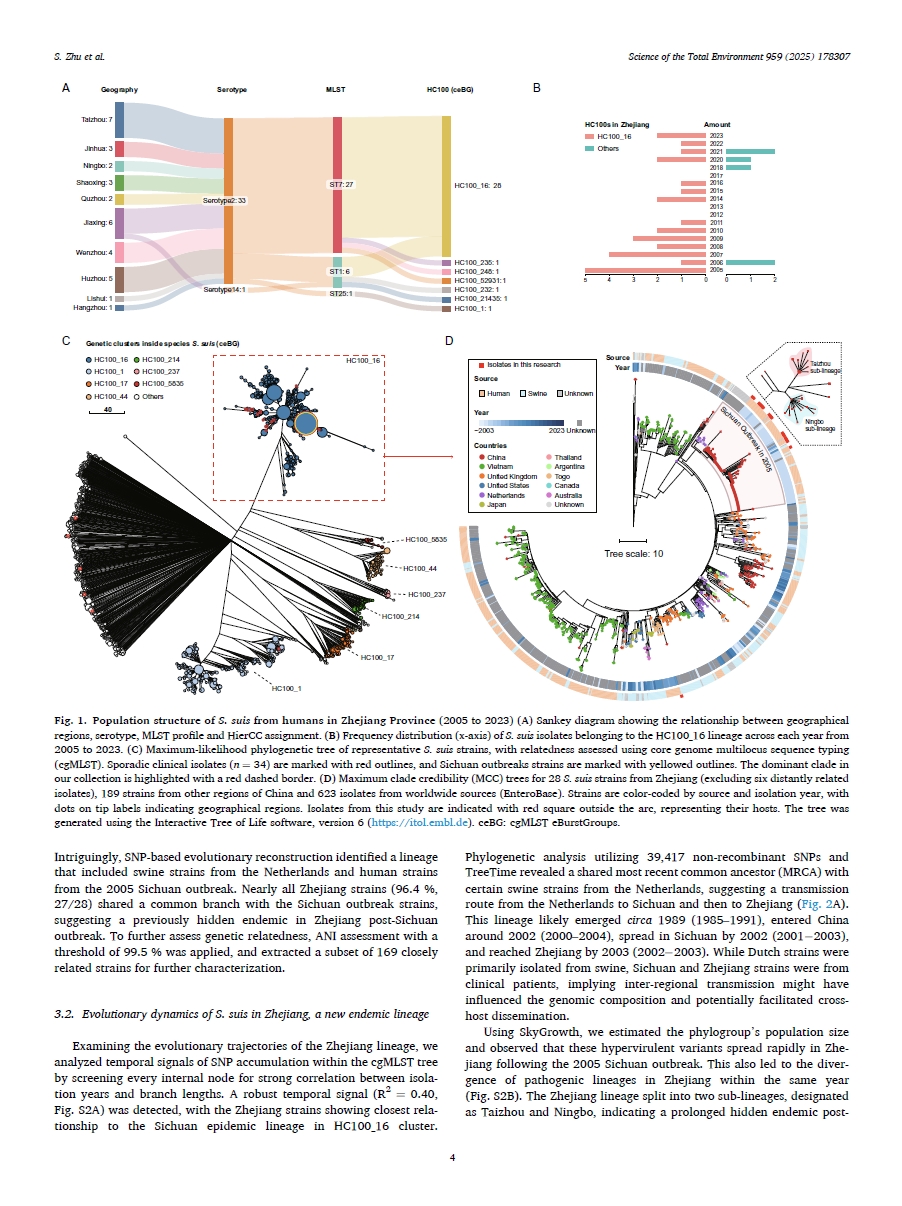
Uncovering a cryptic Streptococcus suis endemic post-outbreak: Evidence of host switching to humans
Streptococcus suis (S. suis) is a neglected and emerging pathogen that leads to severe economic losses in swine industry. Despite its epidemic potential, the zoonotic threat posed by S. suis remains underappreciated, even after the unprecedented Sichuan outbreak, which highlighted its ability to cause fatal human infections. Understanding of the dynamics and evolution of this pathogen in human populations is crucial for preventing future …
[Read more]
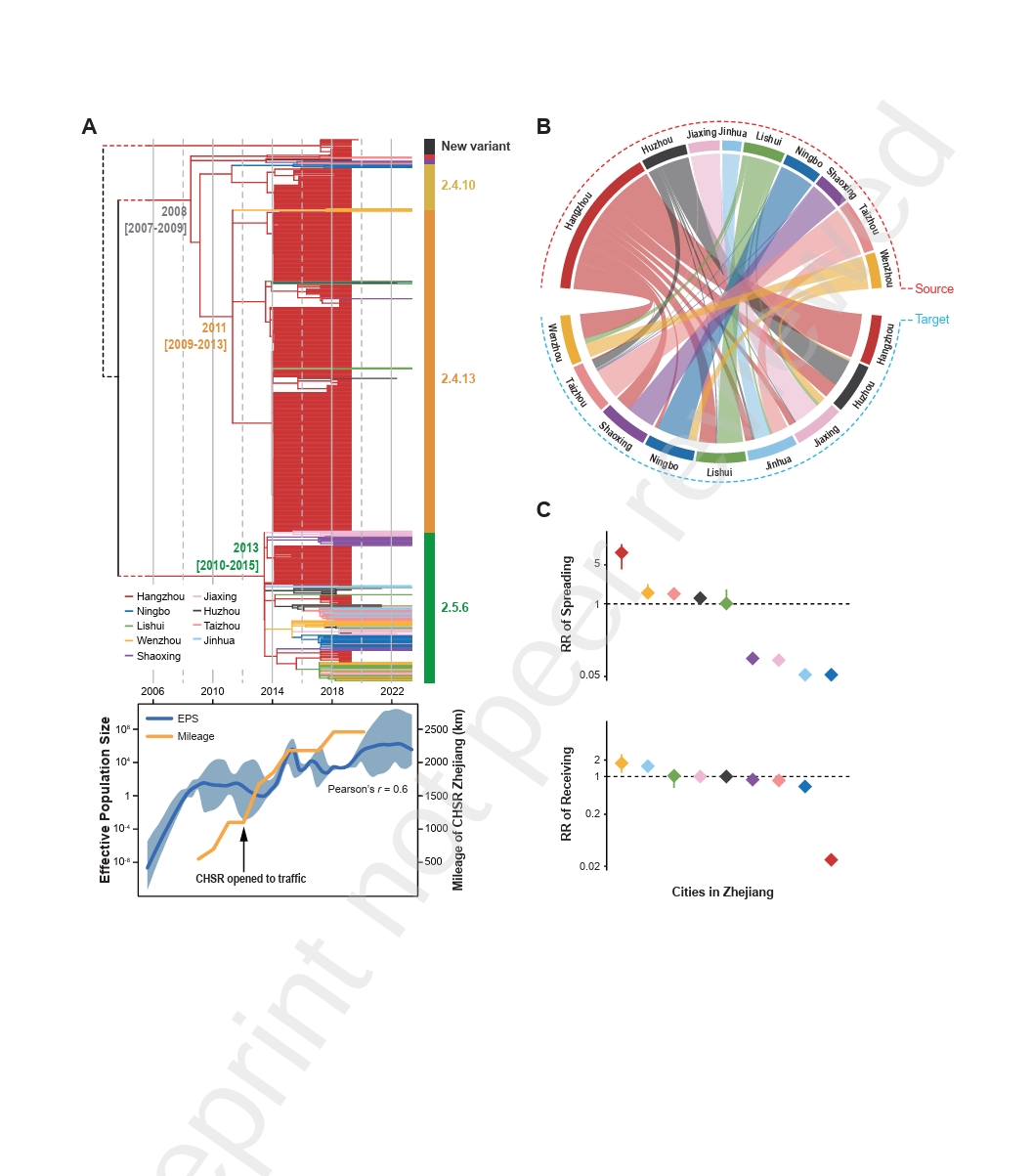
Multicenter Genomic Epidemiology Reveals Distinct Short-Term and Long-Term Crab Transmission Patterns in Zhejiang, China
Objectives To investigate the genomic epidemiology of carbapenem-resistant Acinetobacter baumannii (CRAB) in ICUs of municipal hospitals in Zhejiang province, and to elucidate its transmission patterns and determine its spread influencing factors. Methods We conducted a multicenter genomic epidemiological analysis of 138 CRAB isolates collected from ICUs of tertiary hospitals across 8 prefecture-level cities in Zhejiang province …
[Read more]
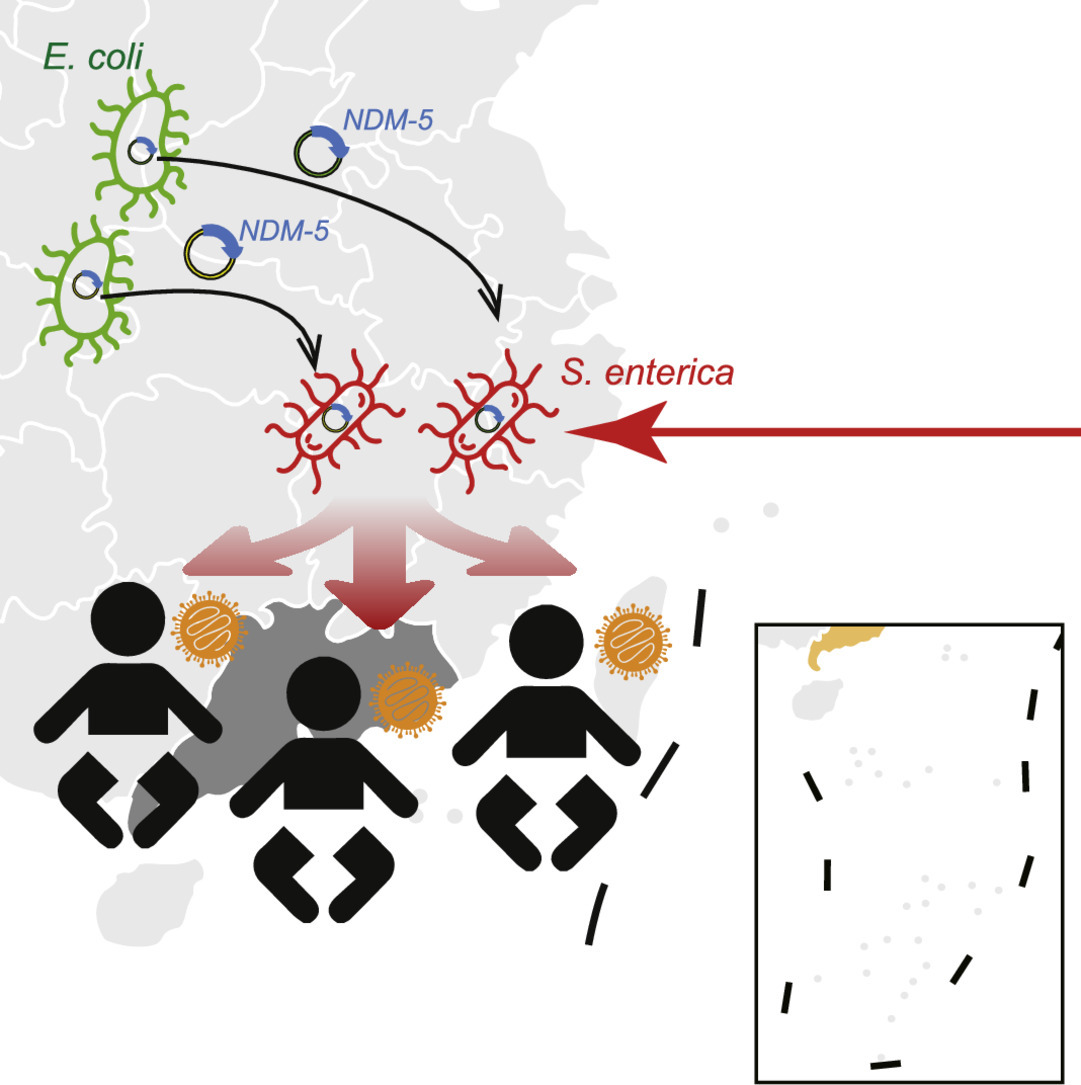
Emergence of carbapenem-resistant XDR Salmonella enterica in pediatric patients in South China: a genomic perspective study
Background and Aim Carbapenem-resistant Salmonella enterica (CRSE), mostly driven by plasmids, poses a growing public health threat, especially in paediatric populations. This study investigates a cluster of paediatric CRSE infections in paediatric populations, characterizes genomic features of CRSE isolates, assesses global CRSE prevalence, and explores plasmid-mediated horizontal gene transfer. Methods An epidemiological …
[Read more]
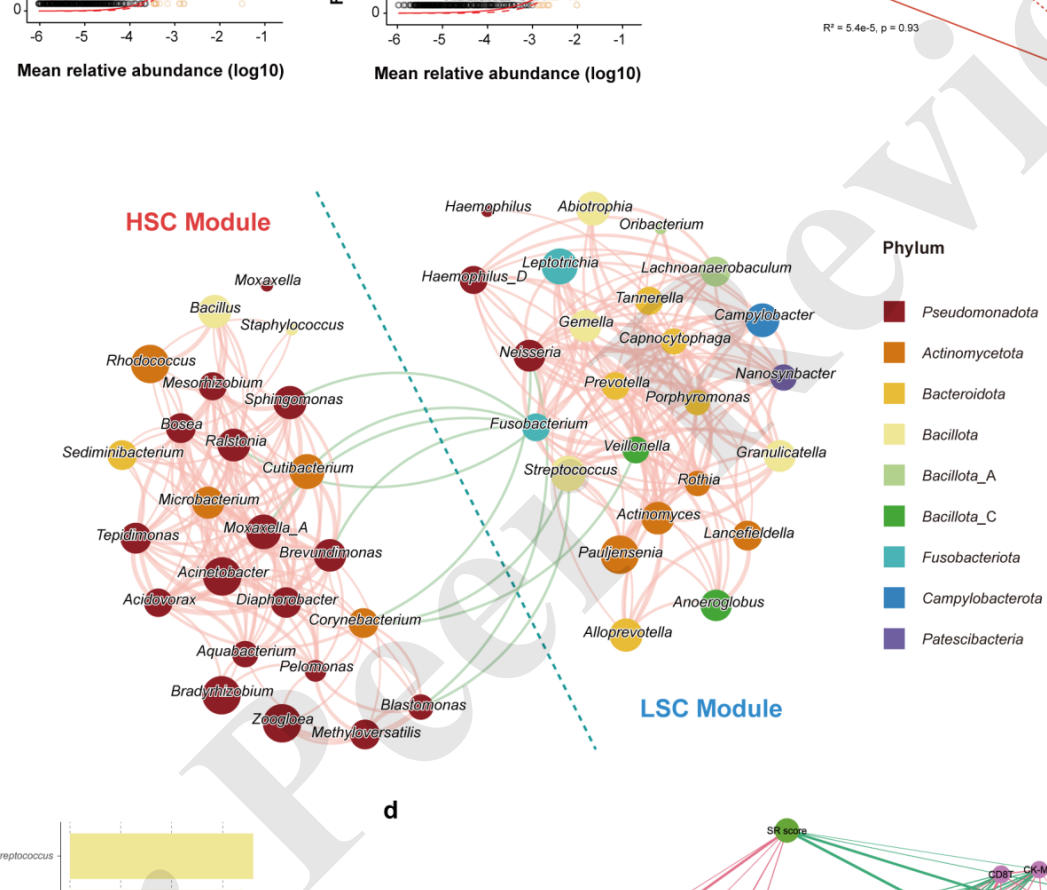
Post-COVID-19 disruption of the respiratory microbiome modulates Mycoplasma pneumoniae: a multi-center retrospective investigation study
Since the COVID-19 pandemic, there has been a notable resurgence of Mycoplasma pneumoniae pneumonia (MPP) in children, with a concerning rise in the severity of cases. Although changes in post-pandemic respiratory infection patterns have been documented, the reasons behind the increased severity of MPP, especially concerning shifts in the respiratory microbiota, are not well understood. This study aims to explore how pandemic-associated …
[Read more]
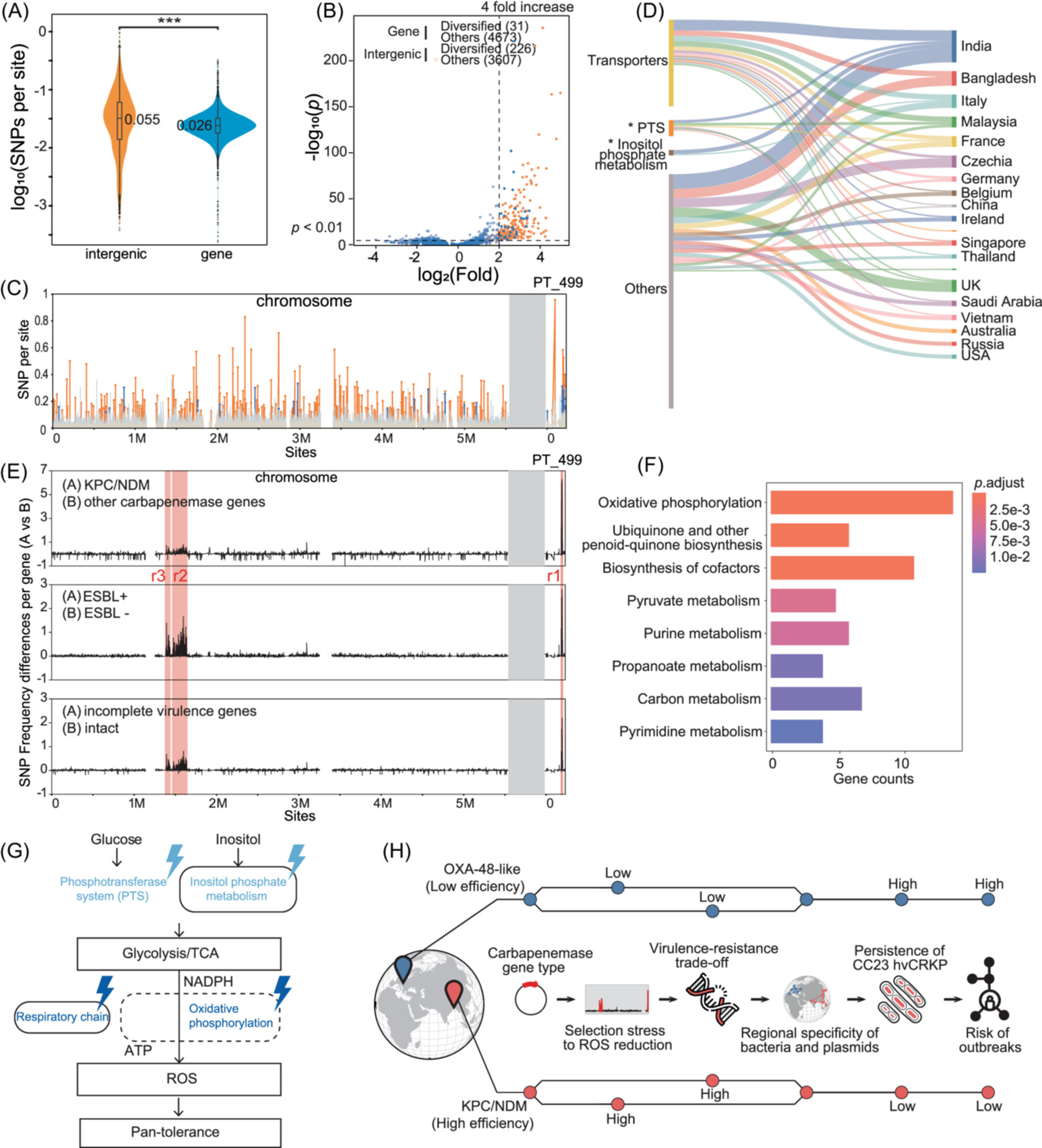
Geographic containment and virulence-resistance trade-offs drive the evolution of hypervirulent Klebsiella pneumoniae
The emergence of hypervirulent carbapenem-resistant Klebsiella pneumoniae (hvCRKP) represents an alarming convergence of enhanced virulence and extensive drug resistance. Here, we present a comprehensive genomic analysis of 2563 clonal complex 23 (CC23) isolates from 62 countries spanning 1932–2024. Our findings reveal that CC23-K1, the dominant hypervirulent sublineage, emerged approximately 170 years ago and diversified into seven major …
[Read more]
2024
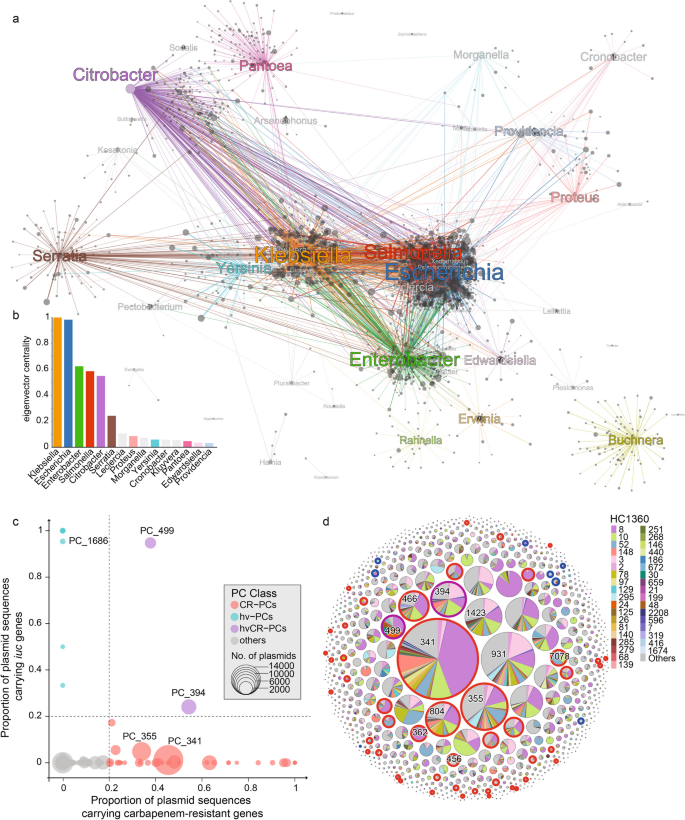
KleTy: integrated typing scheme for core genome and plasmids reveals repeated emergence of multi-drug resistant epidemic lineages in Klebsiella worldwide
Background Clinically important lineages in Klebsiella, especially those expressing multi-drug resistance (MDR), pose severe threats to public health worldwide. They arose from the co-evolution of the vertically inherited core genome and horizontal gene transfers by plasmids, which has not been systematically explored. Methods We designed KleTy, which consists of dedicated typing schemes for both the core genome and plasmids in …
[Read more]
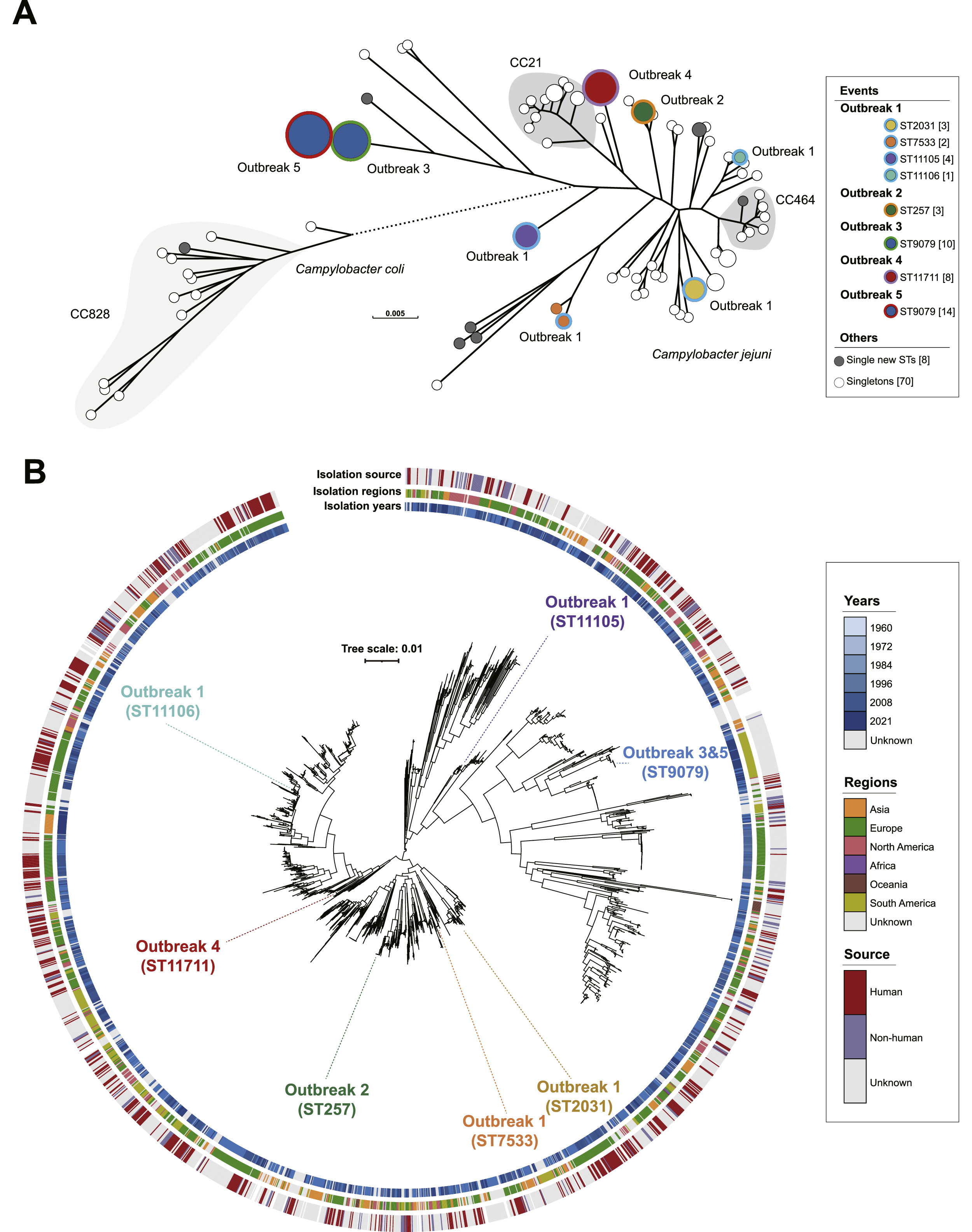
Epidemiological and molecular investigations of sequential outbreaks of Campylobacter jejuni infecting adults and schoolchildren in southeastern China, 2021-2022
Objectives To investigate cases of five Campylobacter jejuni outbreaks and describe laboratory characteristics of these infections. Methods Whole-genome sequencing and conventional methods were combined to thoroughly investigate the outbreaks, and data of contemporaneous sporadic cases was included for comparison. Results Seven sequence types (STs) of C. jejuni caused 83 cases, including ST9079 which recurred across 2 years. …
[Read more]
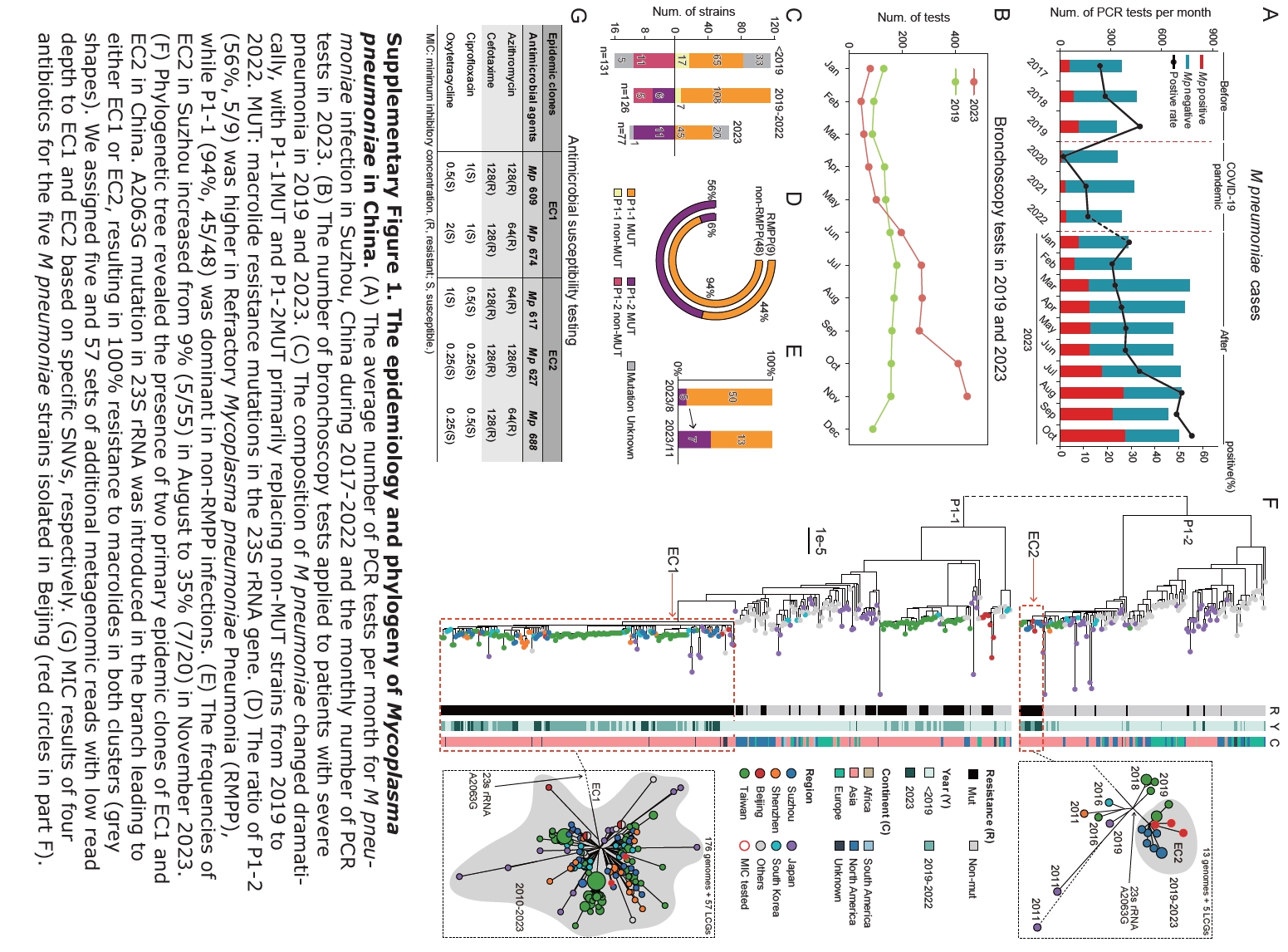
Resurgence of Mycoplasma pneumonia by macrolide-resistant epidemic clones in China
We found that EC2 showed 100% macrolide resistance because of the acquisition of the A2063G mutation in 23S rRNA. All three P1-2 strains isolated in Beijing in 2020 were derived from EC2, suggesting that EC2 could be responsible for the previously reported increase in MRMP frequencies in P1-2 strains detected in the country after 2018. Moreover, our analyses showed frequent, cryptic cross-regional M pneumoniae transmissions in both EC1 and EC2, …
[Read more]
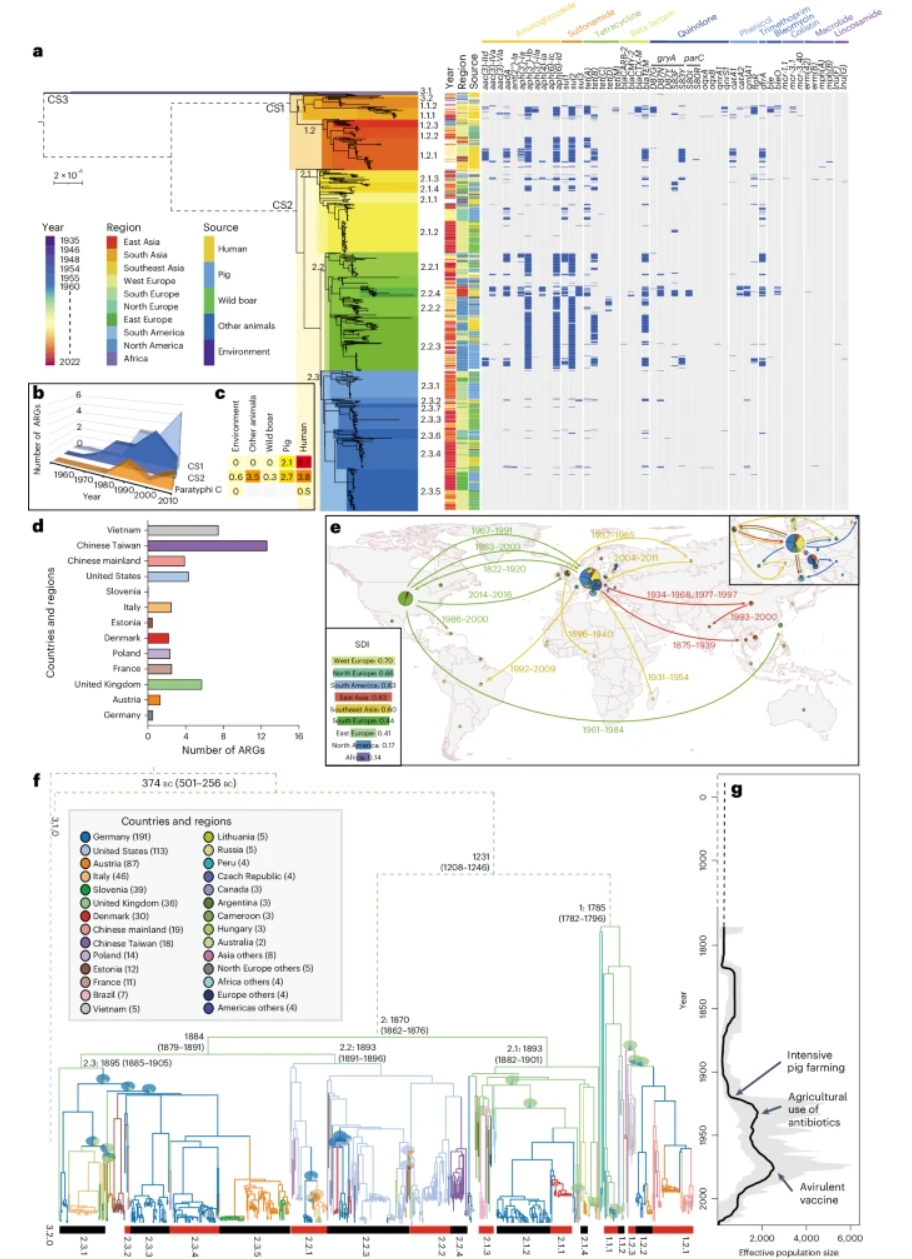
Centralized industrialization of pork in Europe and America contributes to the global spread of Salmonella enterica
Salmonella enterica causes severe food-borne infections through contamination of the food supply chain. Its evolution has been associated with human activities, especially animal husbandry. Advances in intensive farming and global transportation have substantially reshaped the pig industry, but their impact on the evolution of associated zoonotic pathogens such as S. enterica remains unresolved. Here we investigated the population …
[Read more]
2023

Characterization of microbial community and antibiotic resistome in intra urban water, Wenzhou China
The present study investigated the water quality index, microbial composition and antimicrobial resistance genes in urban water habitats. Combined chemicals testing, metagenomic analyses and qualitative PCR (qPCR) were conducted on 20 locations, including rivers from hospital surrounds (n = 7), community surrounds (n = 7), and natural wetlands (n = 6). Results showed that the indexes of total nitrogen, phosphorus, and ammonia nitrogen of hospital …
[Read more]
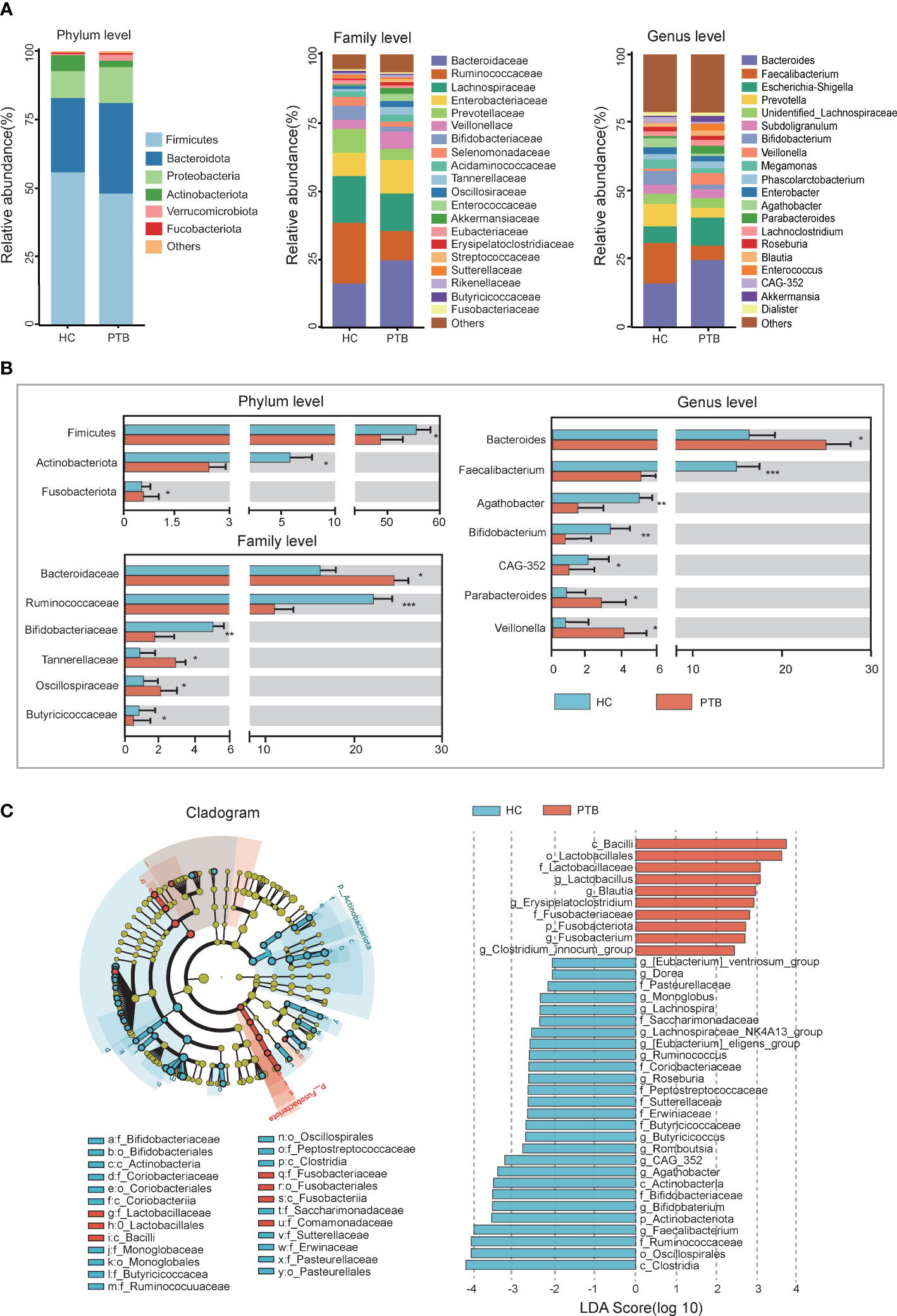
The correlation between dysfunctional intestinal flora and pathology feature of patients with pulmonary tuberculosis
Recent studies have provided insights into the important contribution of gut microbiota in the development of Pulmonary Tuberculosis (PTB). As a chronic consumptive infectious disease, PTB involves many pathological characteristics. At present, research on intestinal flora and clinical pathological Index of PTB is still rare. We performed a cross-sectional study in 63 healthy controls (HCs) and 69 patients with untreated active PTB to assess the …
[Read more]